How to Care for Natural Stone Surfaces in Your Home
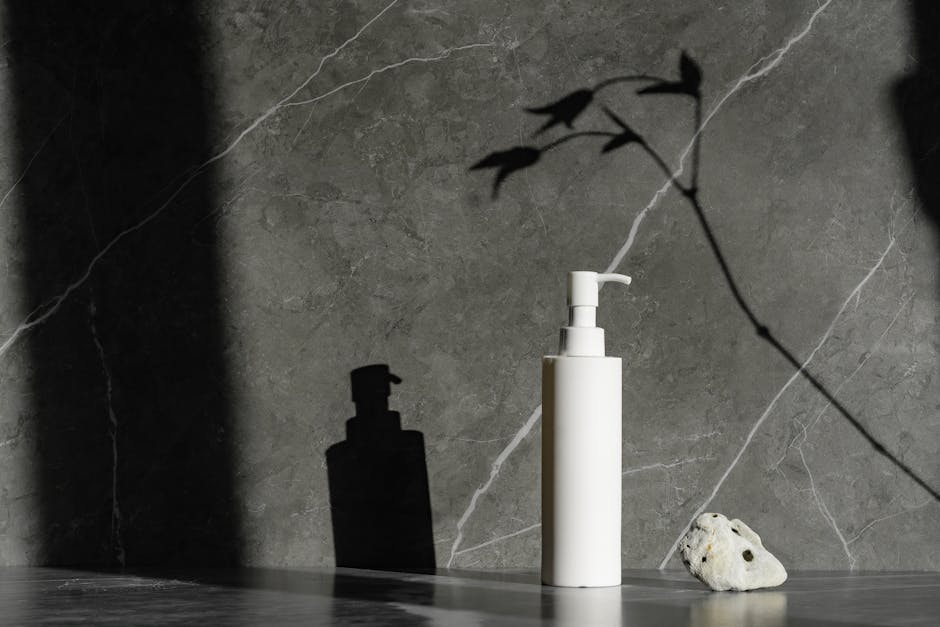
Natural stone is a long-term investment in your home's beauty and value. However, it does require proper care to maintain its appearance and durability. The good news is that maintaining stone surfaces isn't complicated if you follow a few key principles.
Regular Cleaning is the foundation of stone care. For daily cleaning, use warm water and a soft cloth or mop. For more thorough cleaning, use a pH-neutral stone cleaner specifically designed for natural stone. Avoid acidic cleaners like vinegar or lemon juice, which can etch softer stones like marble and limestone. Never use abrasive scrubbing pads or harsh chemicals that can damage the stone's surface.
Sealing Your Stone is essential for porous materials like limestone, slate, and some granites. A quality stone sealer creates a protective barrier that prevents liquids from penetrating the stone and causing stains or damage. Most stones should be sealed every one to three years, depending on the stone type and usage. Your stone supplier can recommend the appropriate sealing schedule.
Spill Management matters more than you might think. Wipe up spills promptly, especially acidic substances like wine, fruit juice, or vinegar on marble or limestone. Even sealed stone can be damaged by prolonged exposure to liquids. Keep coasters under drinks and use trivets under hot pans to prevent heat damage and rings.
Avoid Damage by using appropriate protective measures. Use cutting boards rather than cutting directly on stone worktops. Avoid dragging heavy objects across surfaces. In kitchens, use trivets under hot cookware and chopping boards for food preparation. These simple habits prevent scratches, cracks, and thermal shock.
Professional Care can help restore stone if damage occurs. Professionals can re-seal stone, repair minor cracks, and polish surfaces to restore shine. Annual professional cleaning is worthwhile for high-traffic areas or valuable installations.
Different stones have specific needs. Marble requires extra care due to its softness, while granite is more forgiving. Ask your installer for stone-specific maintenance advice and follow their recommendations for the best results.